International Cesarean Awareness Network
education
support
advocacy
New ICAN website coming soon!
Webinars

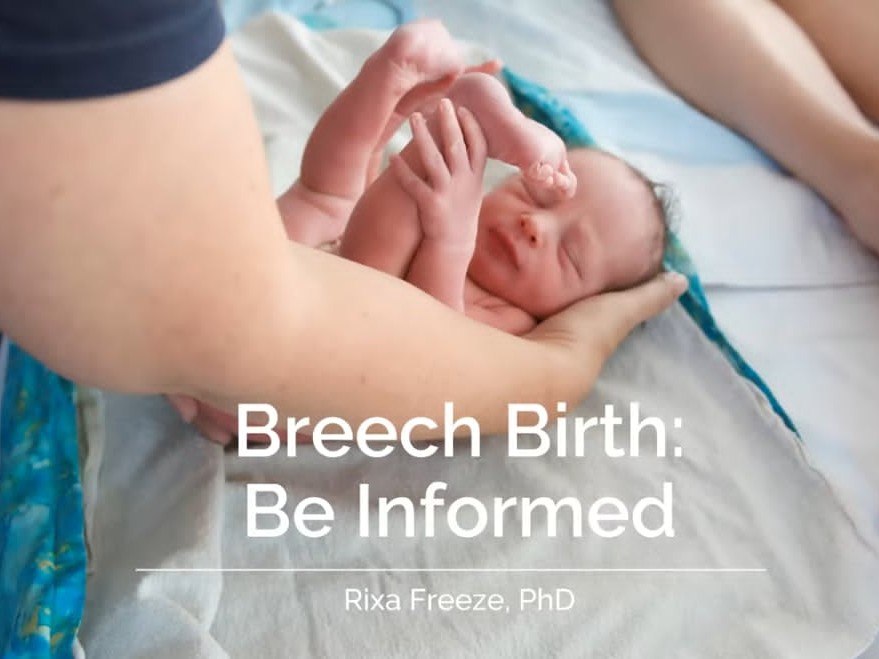
Breech Birth Webinar
Breech shouldn’t automatically mean “mandatory surgery”. There are options. This webinar will help families and clinicians move from fear to facts. Rixa Freeze, founder and president of Breech Without Borders, shares the history behind breech and the research comparing birth modalities.

Breech Options Webinar
When a baby remains in a breech presentation late into pregnancy, families are often not presented with options other than cesarean section. I will discuss all options, including planning a cesarean, vaginal breech birth and external cephalic version (ECV), and the risks and benefits of each. Understanding what each pathway involves is key to making an informed decision.
Research

Inter-pregnancy interval and uterine rupture during a trial of labour after one previous caesarean delivery and no previous vaginal births: a retrospective population-based cohort study
Predicted rates of uterine rupture ranged from 0.36% at zero to 0.19% at 21 months’ interpregnancy interval for spontaneous labours and from 0.91% to 0.47% for induced/augmented labours for parturients with a typical clinical and demographic background.

Maternal and neonatal outcomes for women with a history of two caesarean deliveries undergoing trial of labour vs elective repeat caesarean: a retrospective study with two delivery protocols
This study compared two protocols for TOLA2C in women requesting a vaginal birth, and showed increased rates for TOLA2C and vaginal birth after two caesarean sections (i.e. successful TOLA2C) with a more liberal protocol. Although underpowered to detect rare adverse outcomes, this study suggests that TOLA2C can be a reasonably safe option and should be offered to women.

Evaluating the effect of two different training interventions on improving vaginal twin birth rates and provider confidence and knowledge levels: A pre- and post-intervention study
In settings with a high background cesarean section rate, a rapid increase in the vaginal birth rate of twins is possible without adversely affecting maternal or neonatal outcomes, via either staff-wide training or specialist teams.
About ICAN

THE MISSION
The International Cesarean Awareness Network (ICAN) is a non-profit organization whose mission is to improve maternal-child health by reducing preventable cesareans through education, supporting cesarean recovery, and advocating for vaginal birth after cesarean (VBAC).
OUR STORY
ICAN was founded in 1982 as a response to the “once a cesarean, always a cesarean” mentality. This non-profit has always been based on cesarean prevention through education, support, and advocacy, which are themes you will still find within our mission to this day. Though we recognize cesareans save lives, we also acknowledge the increase in cesareans globally has not resulted in an increase in healthy mothers and babies. Join us as we continue to work toward evidence-based birth practices and educating mothers about their options in birth.
More content coming soon!